

 Research report · In vitro study
Wound-healing and anti-inflammatory properties of Tonstix jelly pops in human throat cells
An independent laboratory study by Shannon Applied Biotechnology Centre, testing Tonstix honey jelly pops on human pharyngeal (throat) cells.
Lower inflammation marker
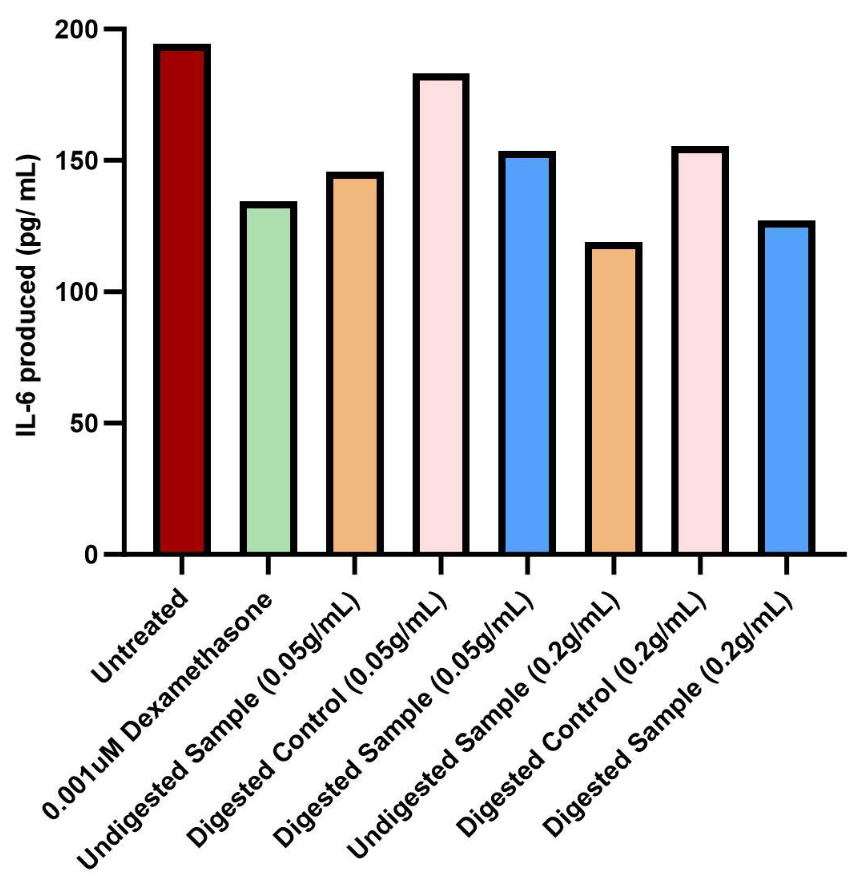
Tonstix reduced IL-6, a marker of inflammation, at both concentrations tested.
See Figure 2 →Supported cell repair
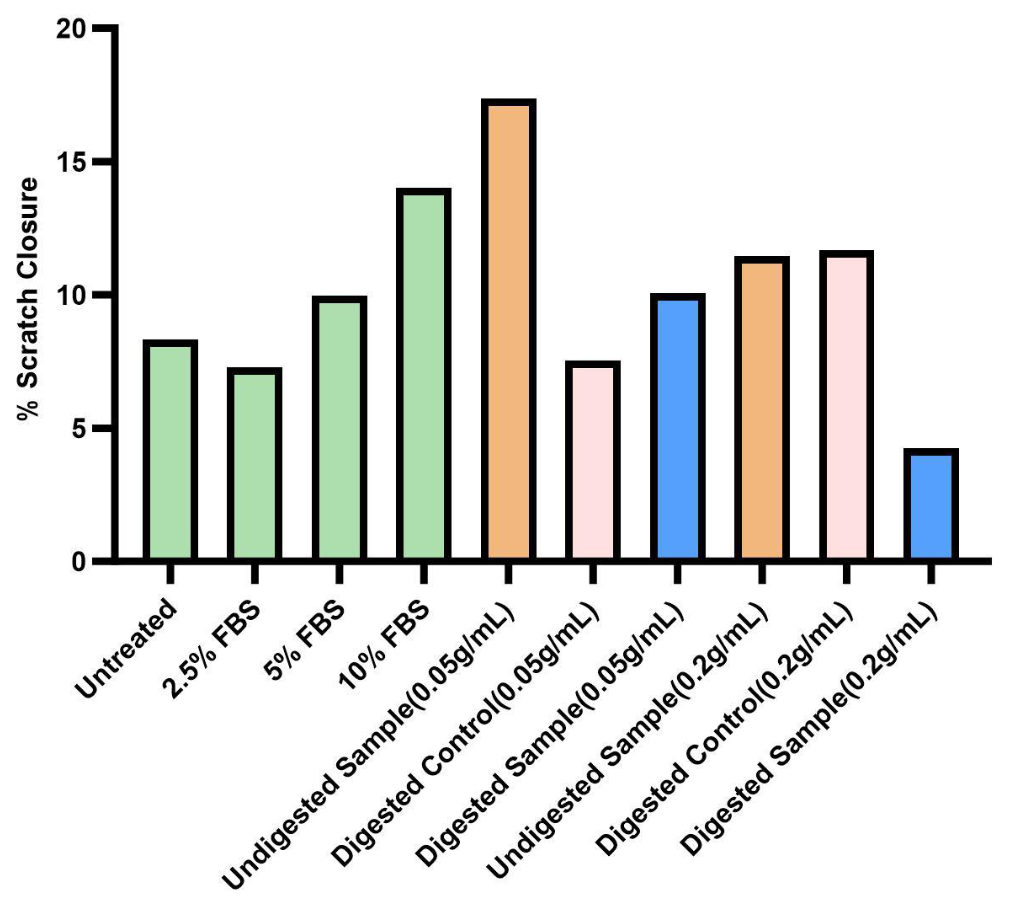
At the lower concentration with simulated saliva, more of the ‘scratch’ closed than in the control.
See Figure 3 →Summary
Scientists tested Tonstix honey jelly pops on human throat cells in the lab. To reflect real use, some samples were first mixed with simulated saliva, as happens when a pop melts in the mouth.
They found that Tonstix was gentle on the cells, lowered a marker of inflammation in irritated cells, and, at the lower concentration, helped cells close a small ‘wound’ more than the matching control.
Executive summary
Tonstix jelly pops were tested for wound-healing and anti-inflammatory properties in a human pharyngeal epithelial cell model (Detroit 562) by Shannon ABC. Cells were first treated with Tonstix samples at a range of concentrations to check for cytotoxicity and to select the concentrations for the scratch wound and anti-inflammatory assays.
All concentrations tested were non-toxic to the cells. In the anti-inflammatory assay, Tonstix samples at 0.2 g/mL and 0.05 g/mL reduced lipopolysaccharide (LPS)-induced interleukin-6 (IL-6). In the scratch wound assay, Tonstix samples showed wound-healing activity at 0.05 g/mL.
1Background
Tonstix jelly pops are naturally soothing, medicine-free honey jelly pops. In this study they underwent in vitro cellular bioactivity assays using Detroit 562 pharyngeal (throat) cells.
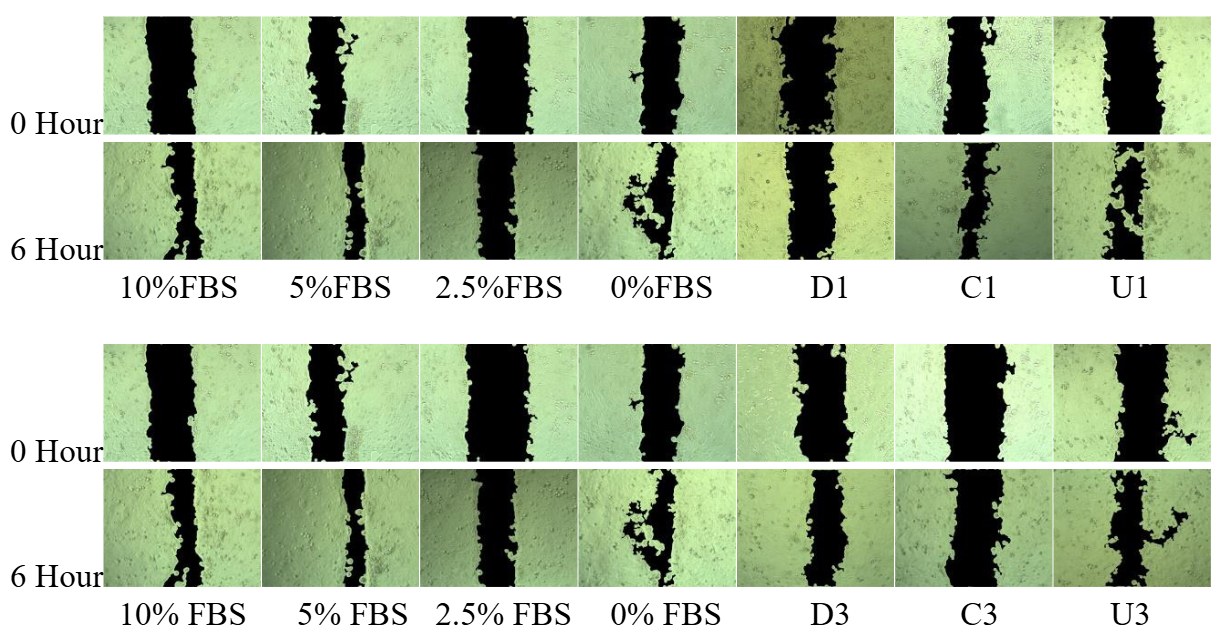
The aim was to investigate the potential anti-inflammatory activity of Tonstix against an established pro-inflammatory trigger, lipopolysaccharide (LPS)1. A second aim was to investigate potential wound-healing properties using the scratch wound assay. This assay measures how a layer of cells migrates and repairs after a set ‘wound’ is introduced. The more of the scratch that is recovered by new cell growth over a set time, the faster or better the ‘healing’.
2Materials & methods
| Cell model | Detroit 562 human pharyngeal epithelial cells (ATCC), grown at 37 °C, 5% CO2 |
|---|---|
| Sample preparation | Tonstix jelly pops tested both undigested and after artificial oral digestion in Simulated Salivary Fluid (SSF), to mimic the mouth |
| Concentrations | Range of concentrations for cytotoxicity; 0.2 g/mL and 0.05 g/mL for the inflammation and scratch wound assays |
| Cytotoxicity | Resazurin cell viability assay after 24 hours |
| Anti-inflammatory | Cells pre-treated for 24 h, then stimulated with LPS for 24 h; IL-6 measured by ELISA. Positive control: dexamethasone |
| Scratch wound | Linear scratch made in a cell monolayer; closure measured between 0 and 6 hours. Positive controls: fetal bovine serum (FBS) at 2.5%, 5% and 10% |
3Results
3.1 Cytotoxicity: gentle on throat cells
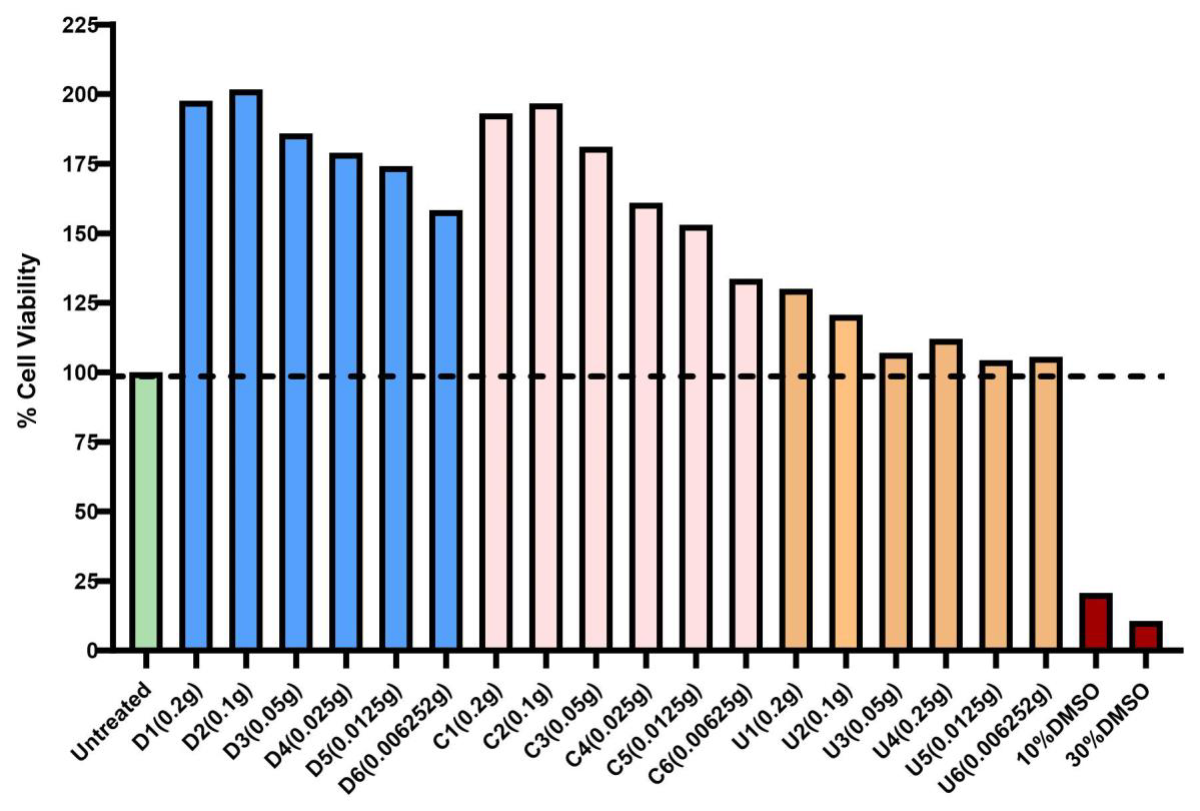
Cell viability was measured after 24 hours of treatment. All Tonstix samples, whether digested, undigested or the digested control, kept cell viability at or above untreated levels. The toxic reference controls (10% and 30% DMSO) severely reduced viability.
3.2 Anti-inflammatory activity: IL-6 reduced
Cells were exposed to LPS, an inflammatory trigger, and IL-6 was measured. Compared with untreated cells (LPS alone), Tonstix samples reduced IL-6 production at both concentrations tested, as did the positive control, dexamethasone.
What is IL-6? Interleukin-6 is a messenger protein that cells release as part of the inflammatory response. Lower IL-6 in this test means a calmer inflammatory signal.
3.3 Scratch wound assay: cell repair
A scratch was made through a layer of throat cells and photographed at 0 and 6 hours. At the lower concentration (0.05 g/mL), the digested Tonstix sample showed greater scratch closure than its digested control.
4Discussion & conclusions
- None of the concentrations of digested or undigested Tonstix samples were toxic to Detroit 562 throat cells after 24 hours (Figure 1).
- The simulated salivary fluid itself appeared to have a proliferative effect, seen as increased cell viability in all samples containing it.
- Tonstix samples reduced LPS-induced IL-6 at both concentrations tested (0.2 g/mL and 0.05 g/mL), a finding linked to anti-inflammatory activity (Figure 2).
- Compared with the digested control, the digested sample at 0.05 g/mL showed increased wound closure, a finding linked to potential wound-healing activity (Figures 3a & 3b).
5About this study
- This is a laboratory (in vitro) study on a human throat cell line, not a clinical trial in children.
- Each assay was run once (N=1), as stated in the report.
- Results show how Tonstix behaves at a cellular level. They do not on their own show the same effects in people.
6Full report
Tap below to open the full 12-page report.
Open the reportReferences
- Okahashi N, Sumitomo T, Nakata M, Sakurai A, Kuwata H, Kawabata S. Hydrogen peroxide contributes to the epithelial cell death induced by the oral mitis group of streptococci. PLoS One. 2014;9(1).
- Dziedzic A, Kubina R, Wojtyczka RD, Tanasiewicz M, Varoni EM, Iriti M. Flavonoids induce migration arrest and apoptosis in Detroit 562 oropharynx squamous cell carcinoma cells. Processes. 2021;9(3):1–17.

Tonstix Honey Throat Pops
Soft honey jelly pops for sore throats and dry coughs, suitable from age 2.